

Showing posts with label macro. Show all posts
Showing posts with label macro. Show all posts
Thursday, November 08, 2007


Wednesday, February 21, 2007
Eyece
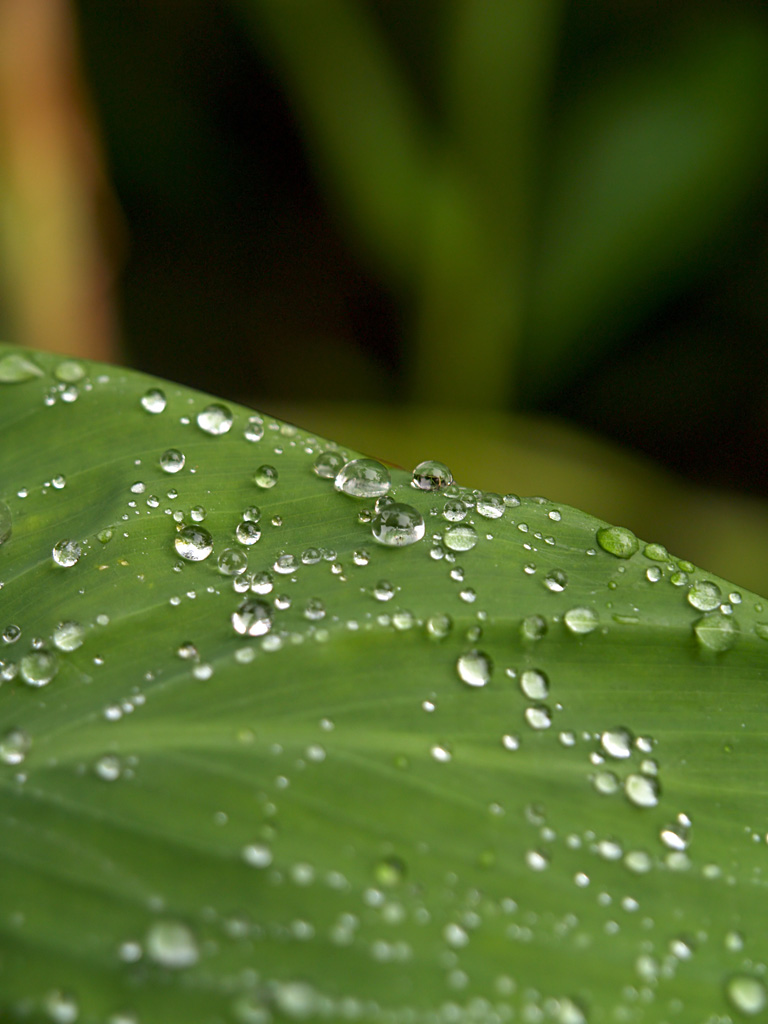
Be sure to click on each image for larger versions. Reductions can not do justice to macro shots.

Macro shot lit through a sheet of ice.

A small reflection of the blue sky can be seen from this tiny particle of ice.

Macro shot lit through a sheet of ice.

A small reflection of the blue sky can be seen from this tiny particle of ice.
Tuesday, February 06, 2007
Forest in the Trees
No, the title is not a typo. A hollow tree stump reveals its own private forest.


Wednesday, January 10, 2007

Thursday, November 23, 2006
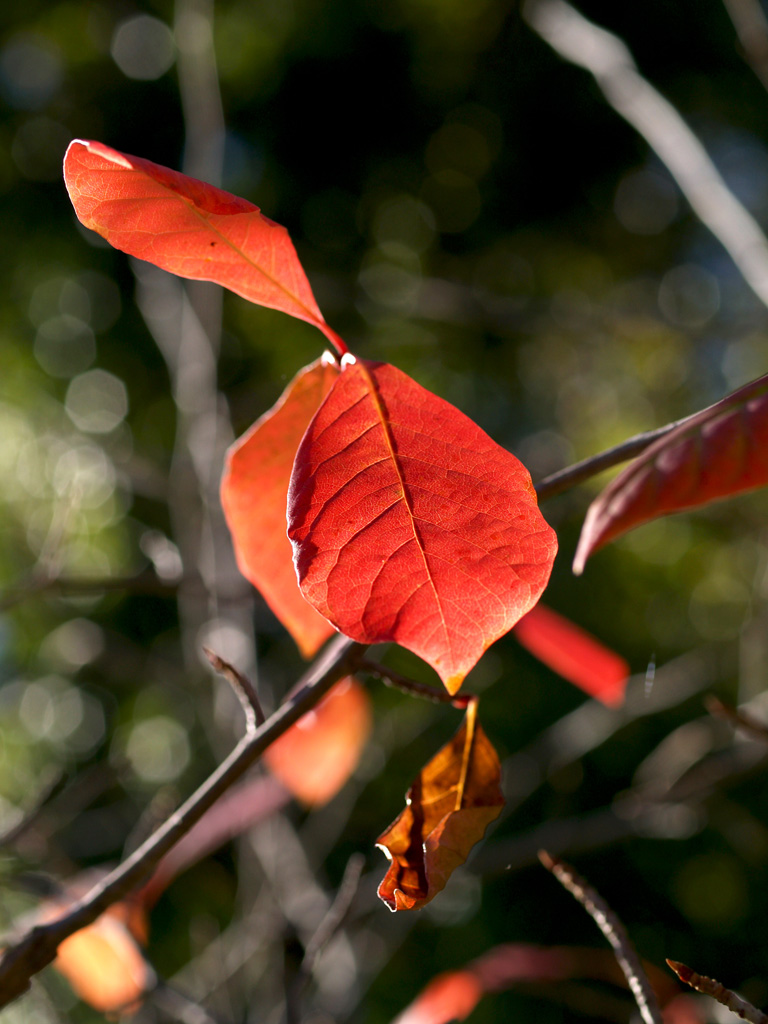
Late Fall in Southern California
The last of the leaves clutch to their branches before giving way to winter.




Wednesday, November 22, 2006

Tuesday, November 21, 2006
An Uncommon Site (1,000 Years Ago)
The ginkgo tree and pomegranate shrub both came from far away lands to find themselves feet apart in Southern California. The Ginkgo plant is said to have originated in the mountains west of Shanghai, while the Pomegranate is believed to have originated in in eastern Iran and southern Afghanistan region. It's amazing how places apart can come together and exist side by side. Provided the right circumstances and climate.

Ginkgo Leaf.

Dwarf Pomegranate Blossom.

Ginkgo Leaf.
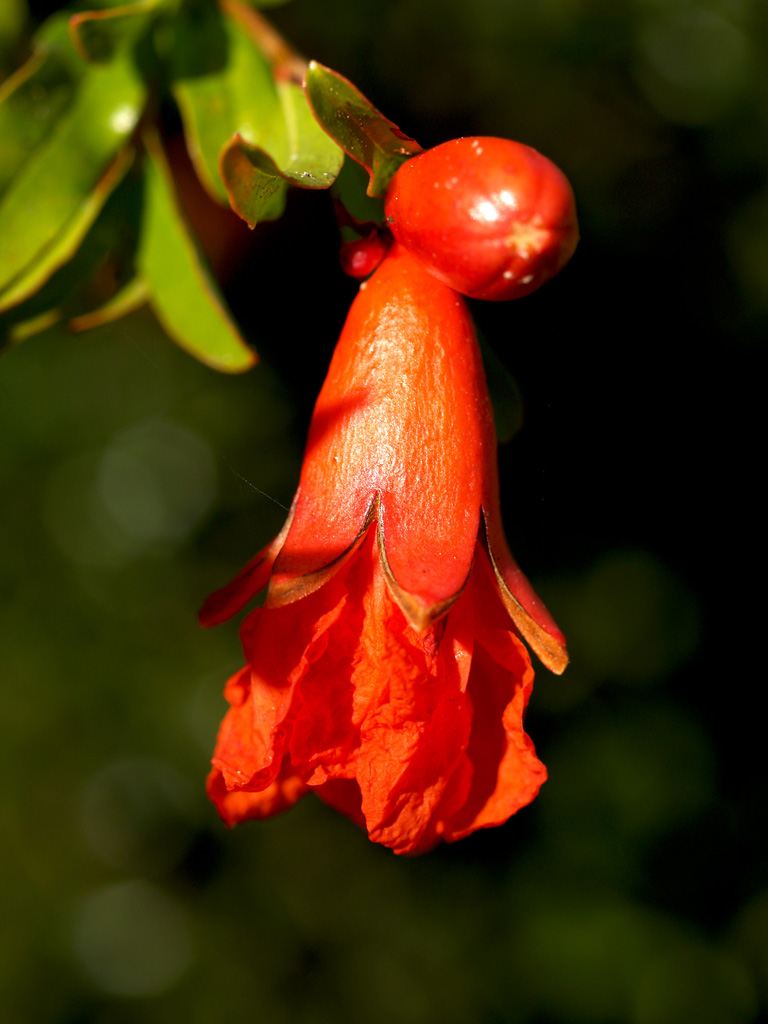
Dwarf Pomegranate Blossom.
Monday, November 20, 2006
Los Angeles County Arboretum
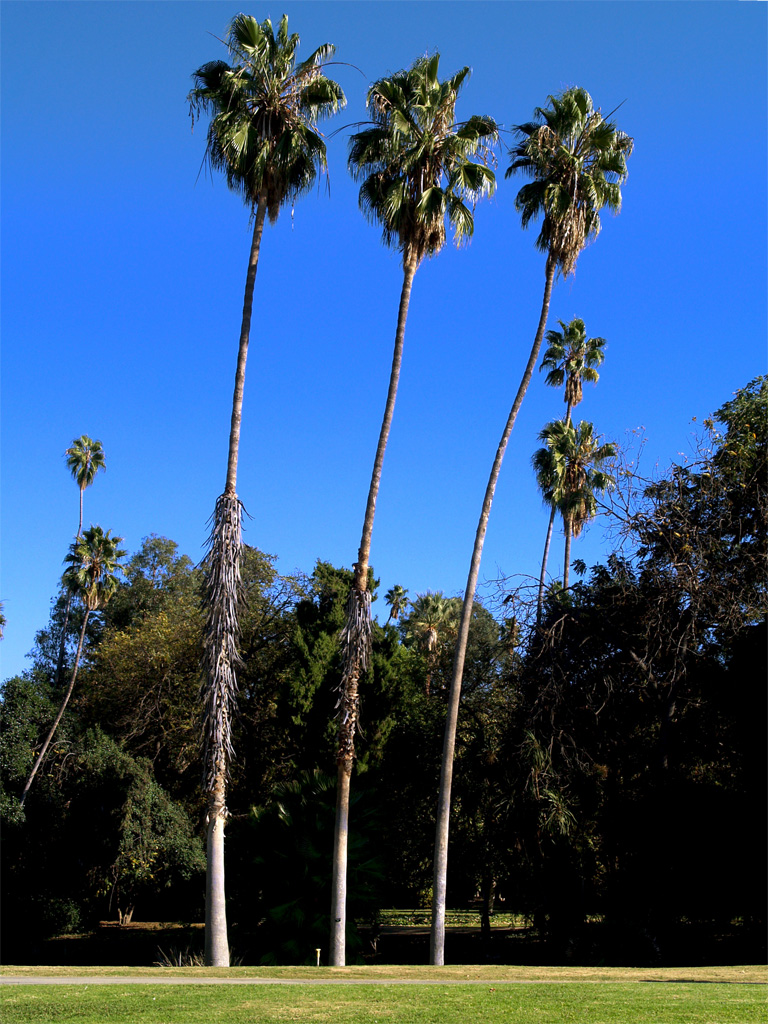

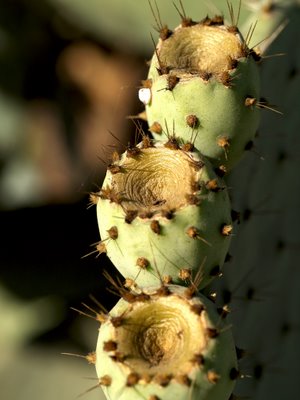
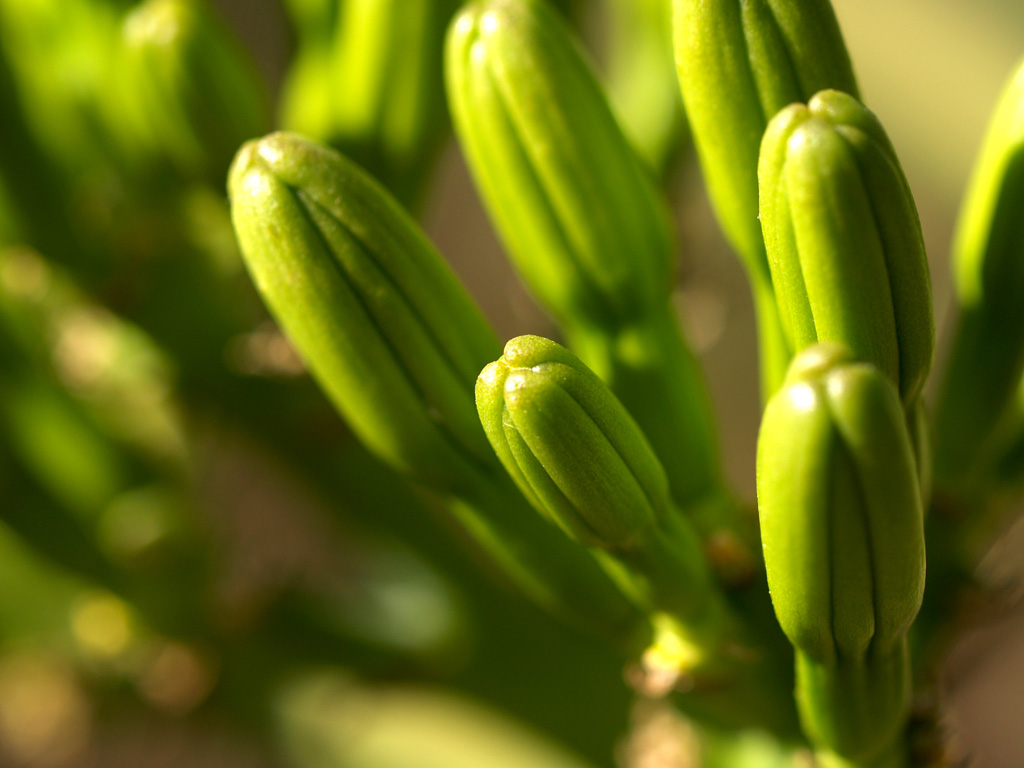
Small collection of images from my day at the LA County Arboretum. I specifically was looking for shots that were geometrically similar.
Friday, November 17, 2006
Fall in Southern California
Autumn is my favorite season of the year. Unlike our neighbors to the north that experience the real Fall Colors, we in Southern California have quite a different experience. Autumn in Southern California translates as "less hot" than the previous months. While further north, Autumn is apparent anywhere you go, you usually have to hunt for it in Southern California.


Note: The sky in this image has not been enhanced.
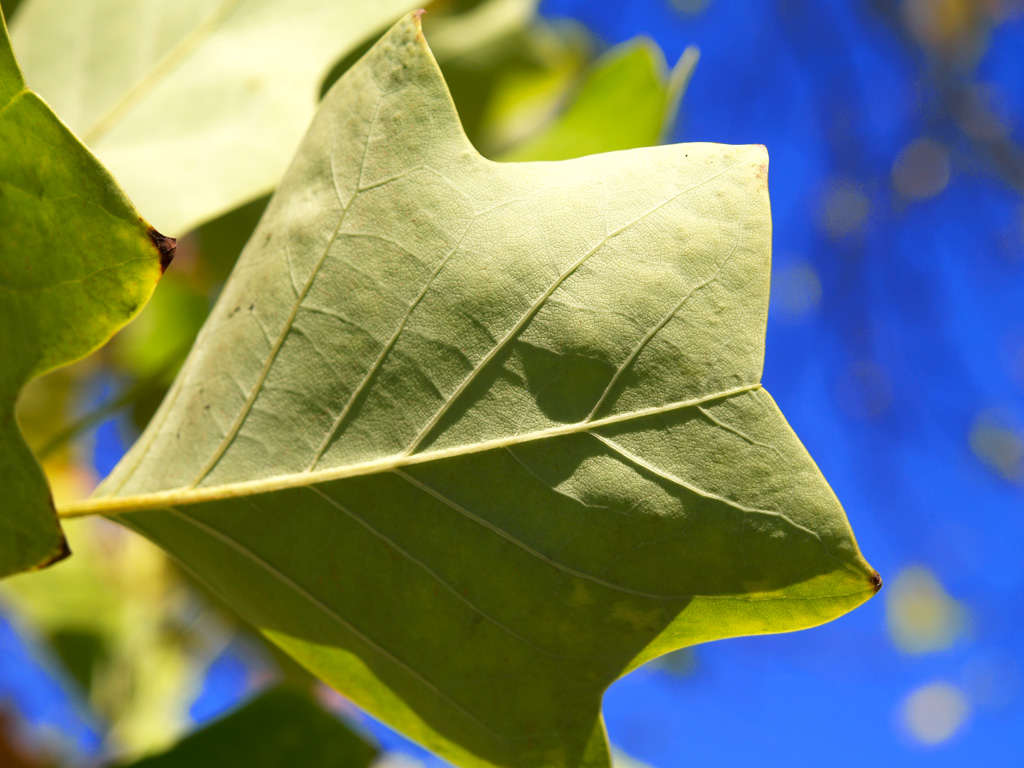
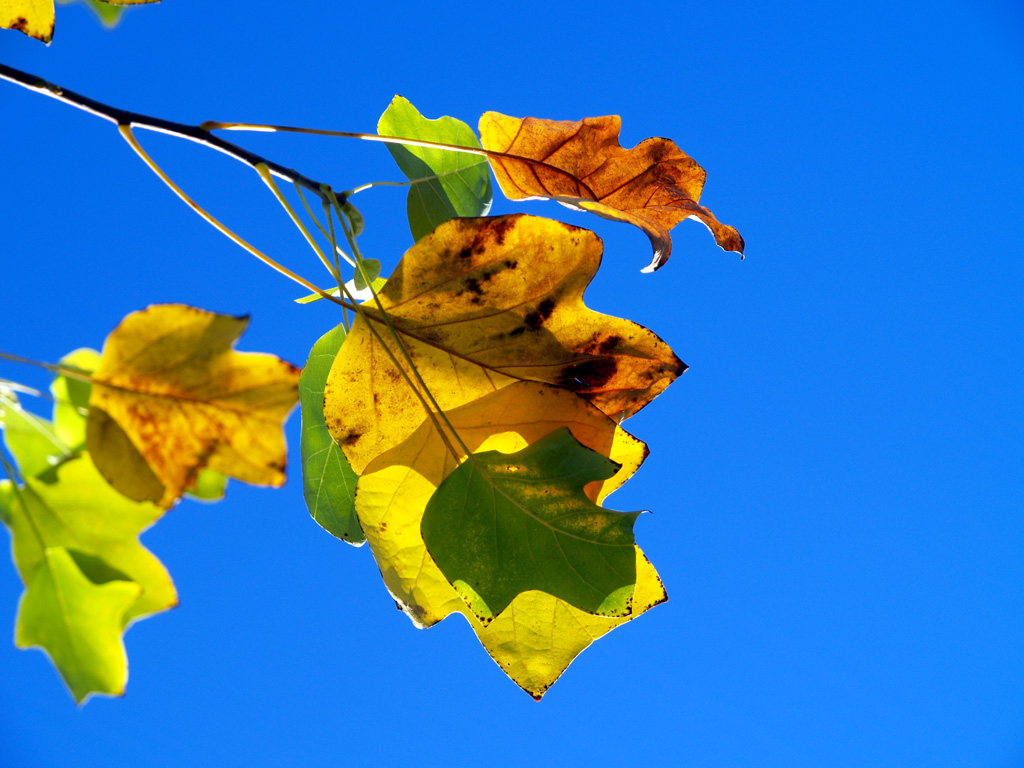
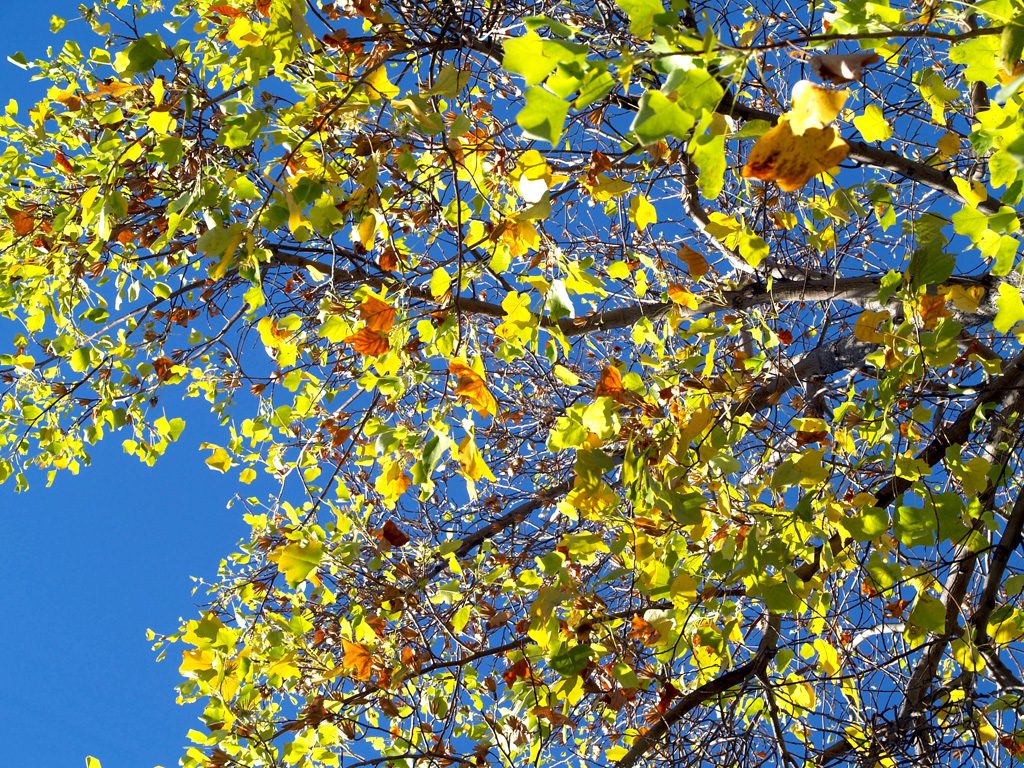
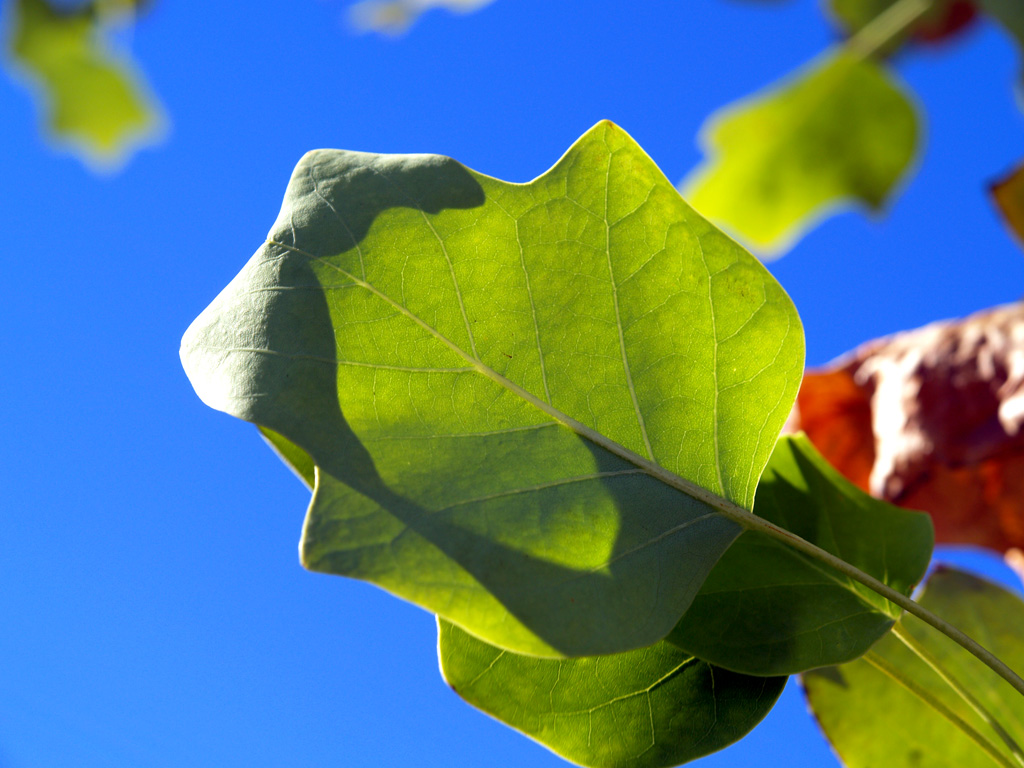
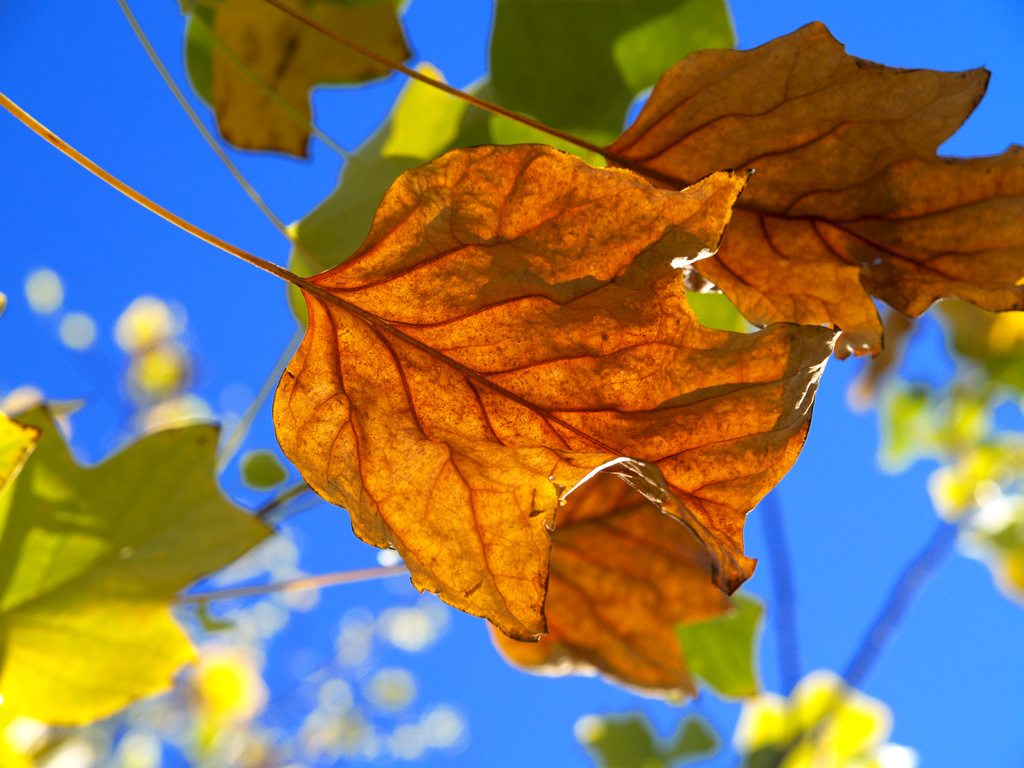
Note: The sky in this image has not been enhanced.
Monday, October 30, 2006
The Lonely Leaf

A leaf lit directly by the sun providing a perfect black background.
Note: Click on the image for a larger version. The reduced thumbnail version does not do justice to the level of sharpness this image displays.
Thursday, October 19, 2006
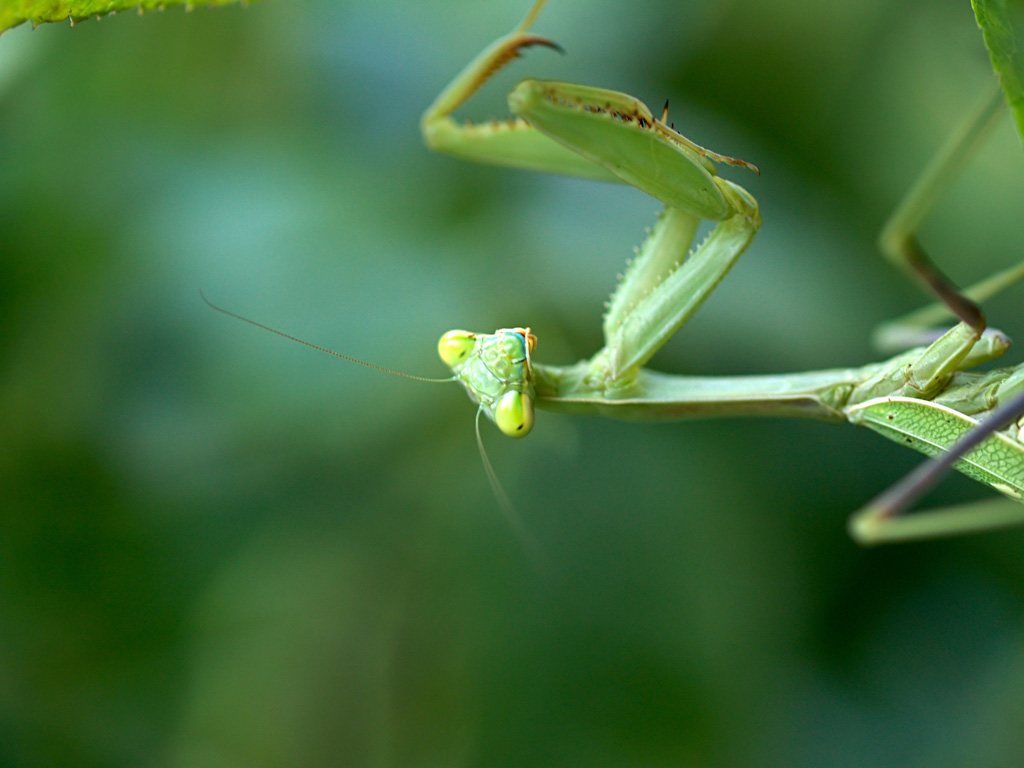
Grasshoppers & Mediterranean Praying Mantid
This grasshopper's eye is reminiscent of the tiger's-eye gemstone.


I prefer Mediterranean "Preying" Mantis. I understand that officially it is a Mediterranean "Praying" Mantis, but I am not quite sure how a bug can be religious.


I prefer Mediterranean "Preying" Mantis. I understand that officially it is a Mediterranean "Praying" Mantis, but I am not quite sure how a bug can be religious.


Thursday, October 12, 2006
Beelieve It!
A female worker bee pollinates the autumn blossom of the South American Pink Silk Floss Tree. As she collects the pollen, she stores it with her pollen basket.


I have posted these images near full resolution. Click on the image you would like to enlarge. These are an absolute must for viewing in full resolution!


I have posted these images near full resolution. Click on the image you would like to enlarge. These are an absolute must for viewing in full resolution!
Tuesday, October 10, 2006
Colors
Updated: 10/13/2006
Various plants that had intense, yet pleasing colors to the eye.

Ceratostigma Abyssinicum

Paddle Plant (Kalanchoe Thyrisflora)

South African Honeysuckle (Turraea Obtusifolia)
Various plants that had intense, yet pleasing colors to the eye.
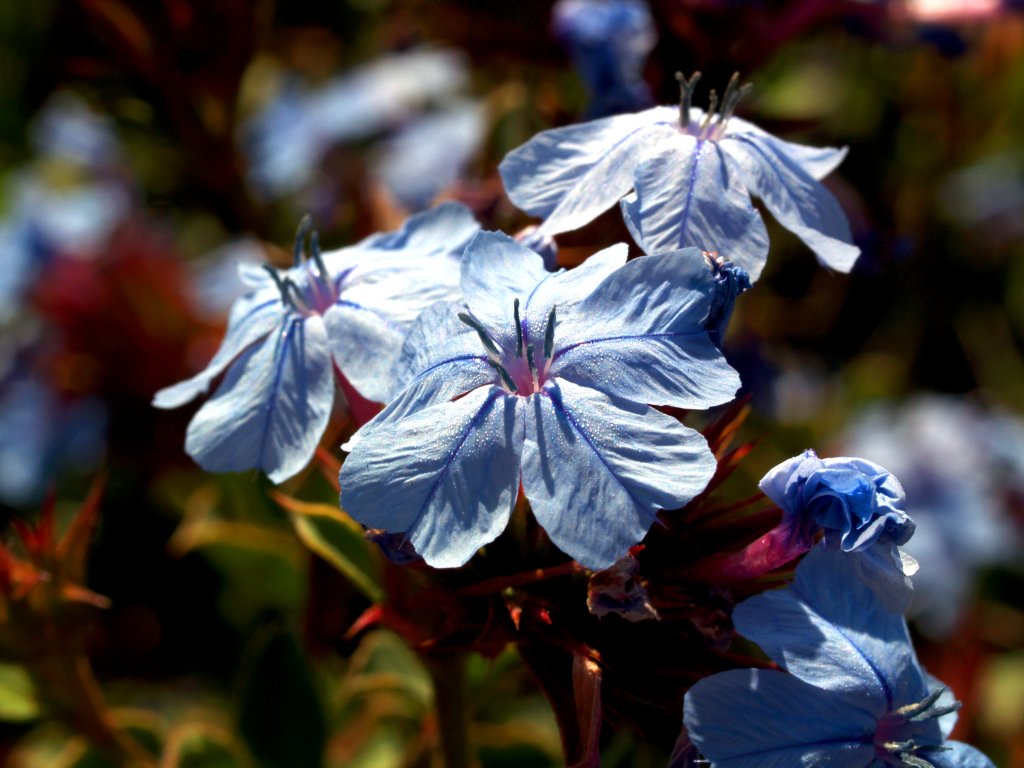
Ceratostigma Abyssinicum

Paddle Plant (Kalanchoe Thyrisflora)

South African Honeysuckle (Turraea Obtusifolia)
Monday, October 02, 2006
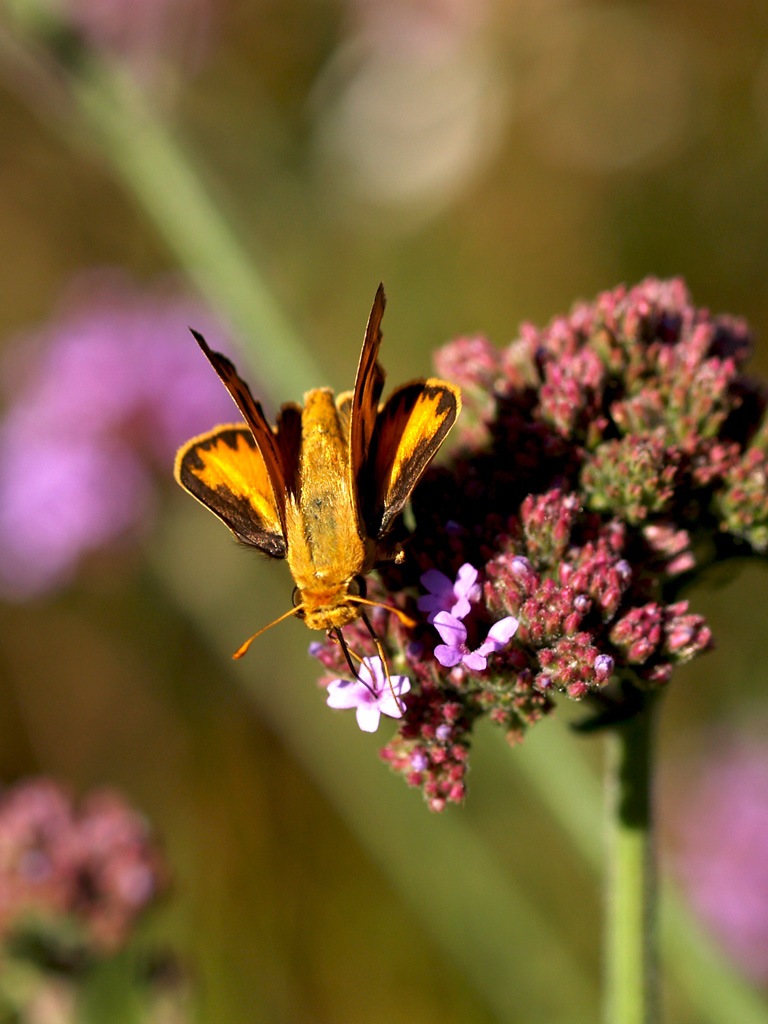
Fiery Skipper - Fighter Butterfly
The Fiery Skipper butterfly is named for the resemblence of its wing to the appearance of flames. The slightly curved "tail wing" also bears a striking resemblance to the dual vertical stabilizers of an F-14 fighter plane (pictured below).


F-14 - Images courtesy of United States Air Force.

The Fiery Skipper shows off his tongue. Butterfly tongues are really a hollow tube, like a straw. The flower responsible for all the beautiful purple is a Verbena Bonariensis which all insects alike seem to enjoy.

The Fiery Skipper begins a mid-flight refuel.

F-14 - Images courtesy of United States Air Force.
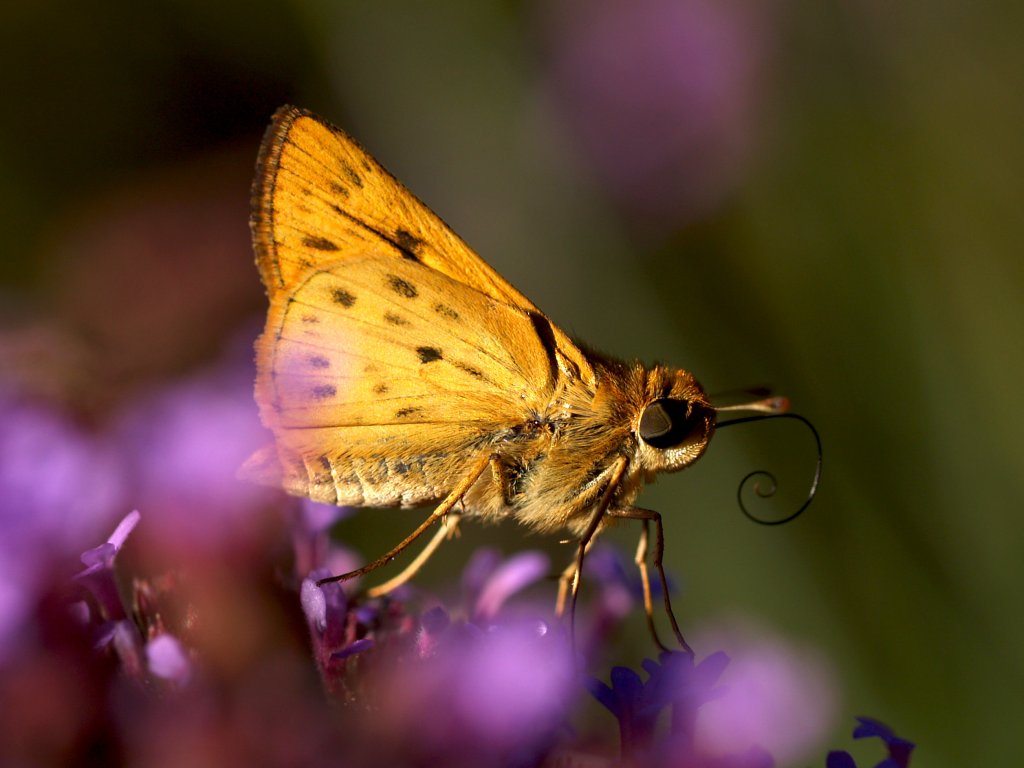
The Fiery Skipper shows off his tongue. Butterfly tongues are really a hollow tube, like a straw. The flower responsible for all the beautiful purple is a Verbena Bonariensis which all insects alike seem to enjoy.
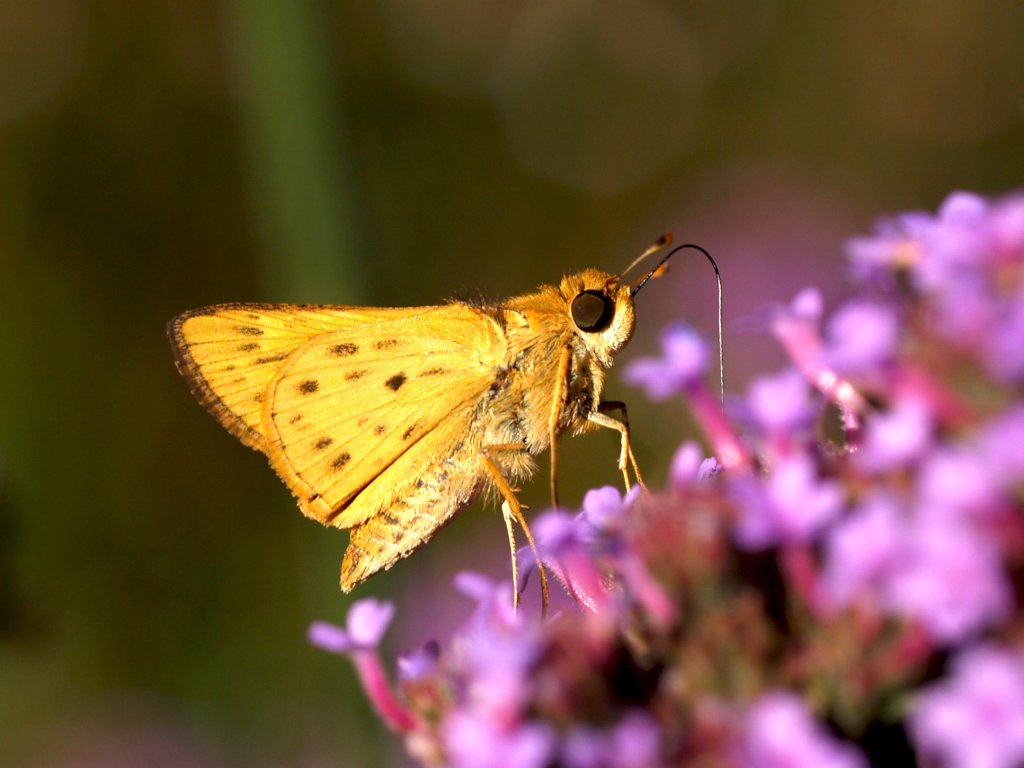
The Fiery Skipper begins a mid-flight refuel.
Thursday, September 28, 2006
Early Evening in the Valley
As the sun dips lower into the horizon, beams of light peak through creating ideal illumination for these dramatic colors.


Wednesday, September 27, 2006
Vivid Dancer & California Spreadwing (Damselfly vs. Dragonfly)
The Odonata ("toothed ones") includes three groups of species. The two groups that interest us for this post are Zygoptera (which includes damselflies), and Anisoptera (which includes dragonflies).


The Vivid Dancer is a member of the Zygopetera. Observe how it's wings are held above the body while at rest. This is the quickest way to identify whether you are viewing a damselfly or dragonfly. The body of damselflies are also much more slender by comparison.


The California Spreadwing is a member of the Anisoptera. It's body is quite stout in comparison to the previous Vivid Dancer. We can also quickly identify it as a dragonfly by noticing that it's wings extend to each side of the dragonfly while at rest.


The Vivid Dancer is a member of the Zygopetera. Observe how it's wings are held above the body while at rest. This is the quickest way to identify whether you are viewing a damselfly or dragonfly. The body of damselflies are also much more slender by comparison.


The California Spreadwing is a member of the Anisoptera. It's body is quite stout in comparison to the previous Vivid Dancer. We can also quickly identify it as a dragonfly by noticing that it's wings extend to each side of the dragonfly while at rest.
Tuesday, September 26, 2006
Bugs
A busy day in the insect community as they prepare for winter and consume lunch.

A lady bug, hornet, and bee gather for a lunch meeting.


A Syrphid Fly. These flies are known for their bee or wasp mimicry.


Woodland Skipper.


Painted Lady.

Patience rewards us with a rare treat. A Gray Hairstreak butterfly stops for a short rest.
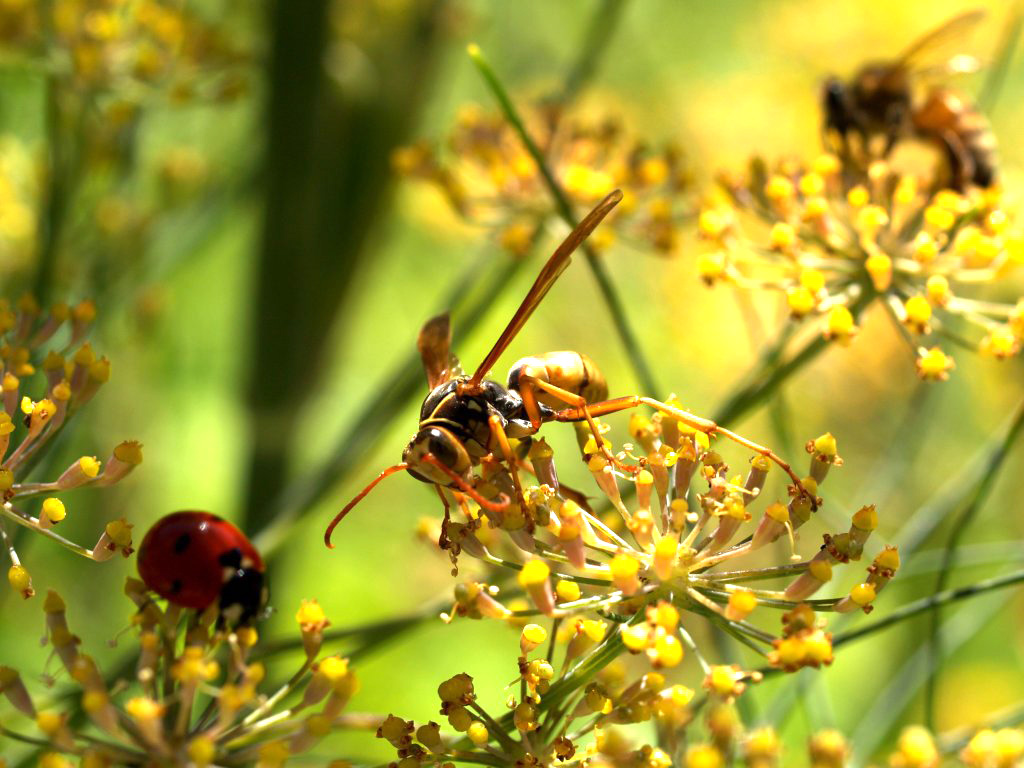
A lady bug, hornet, and bee gather for a lunch meeting.

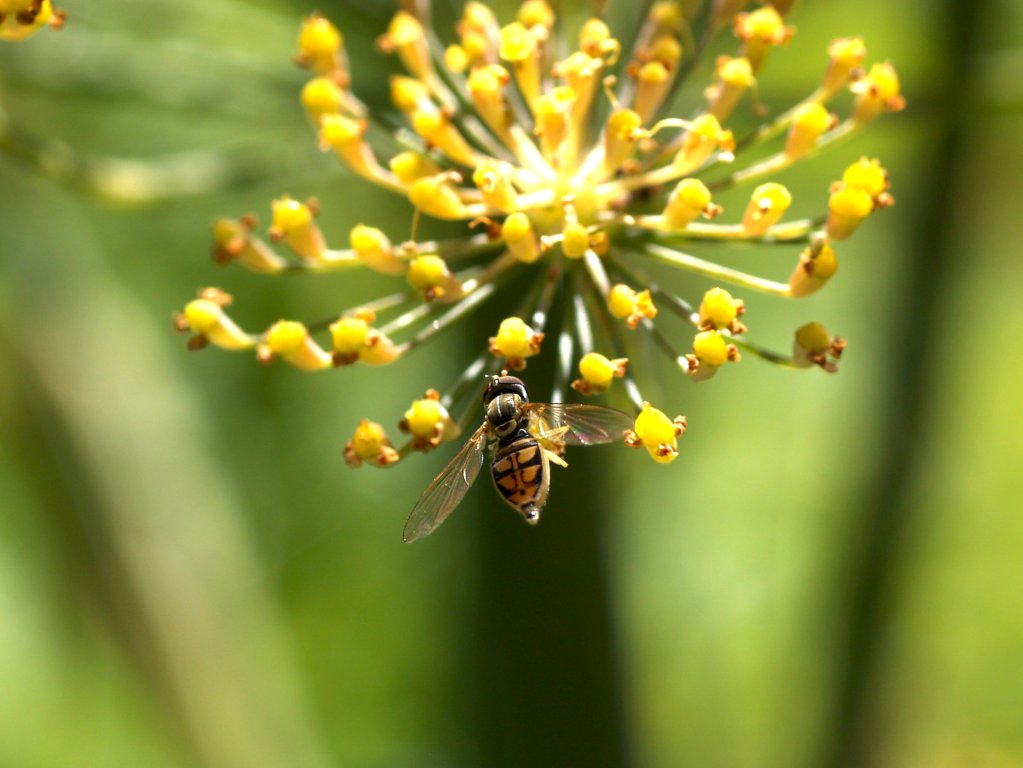
A Syrphid Fly. These flies are known for their bee or wasp mimicry.
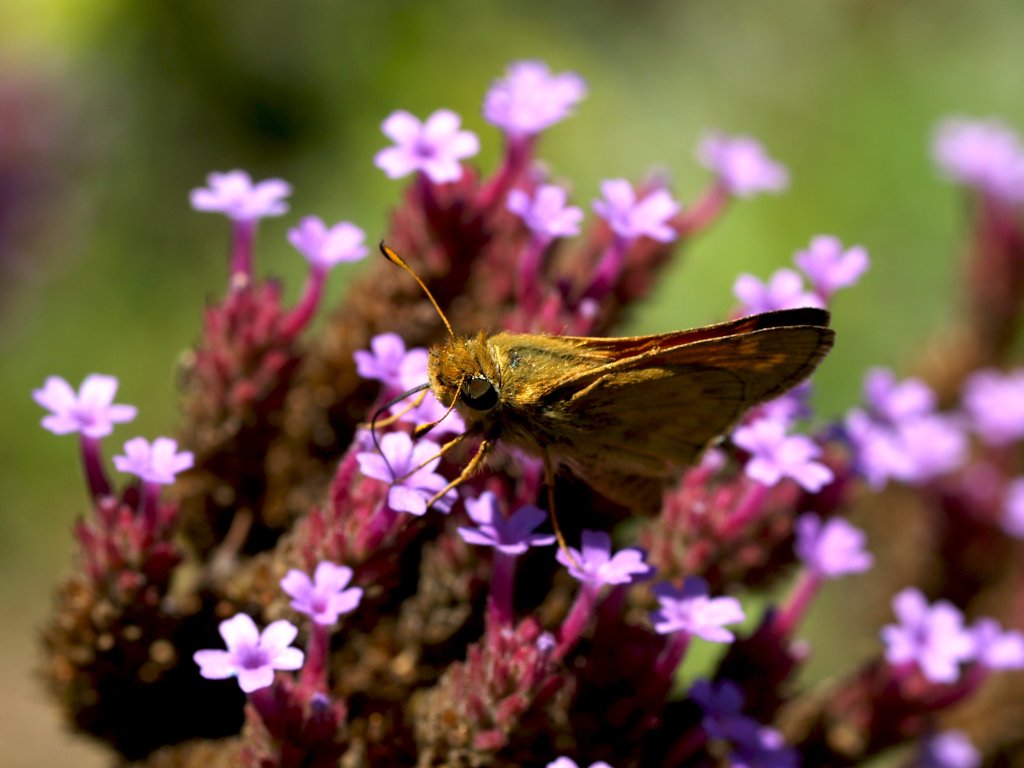
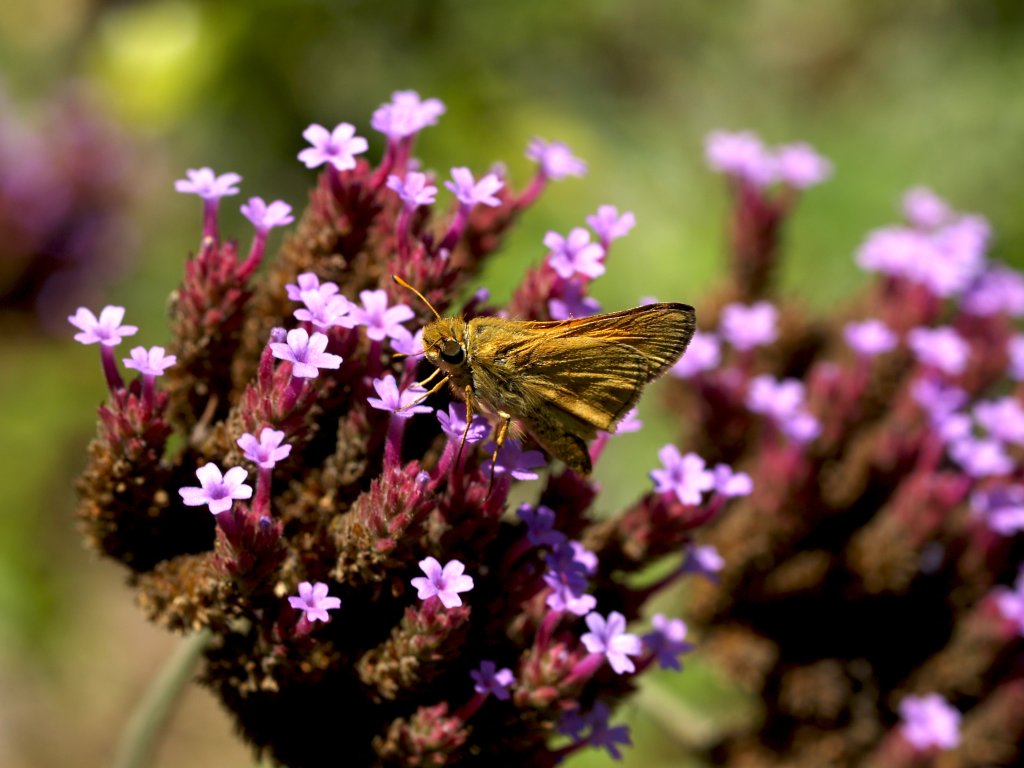
Woodland Skipper.

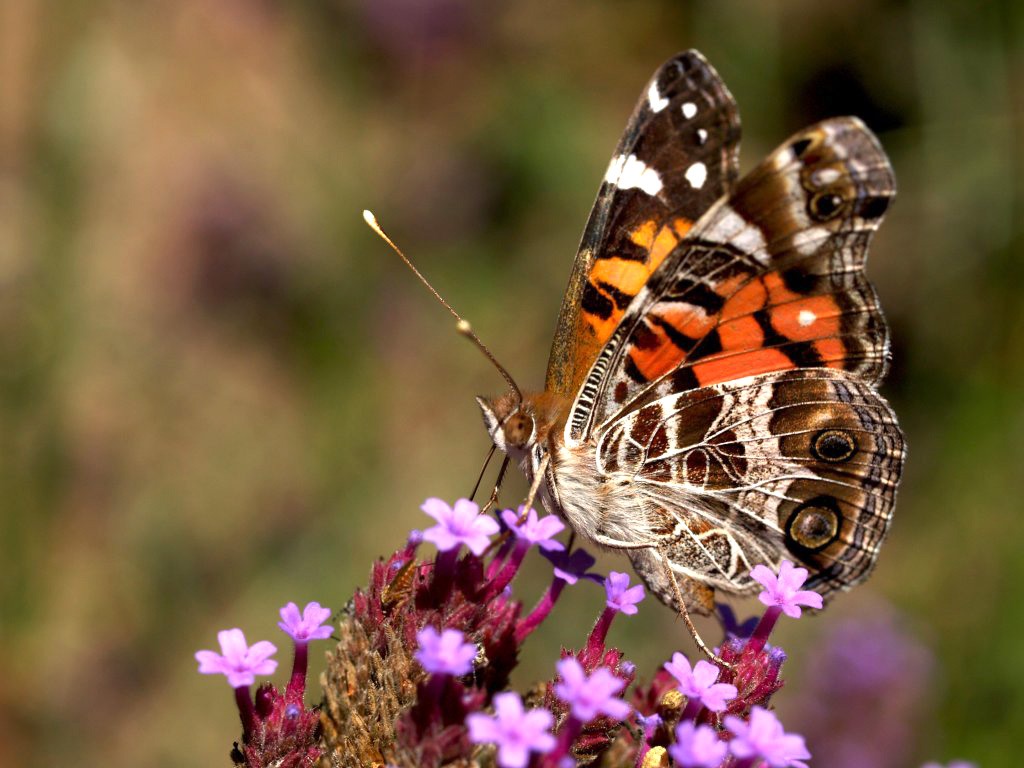
Painted Lady.
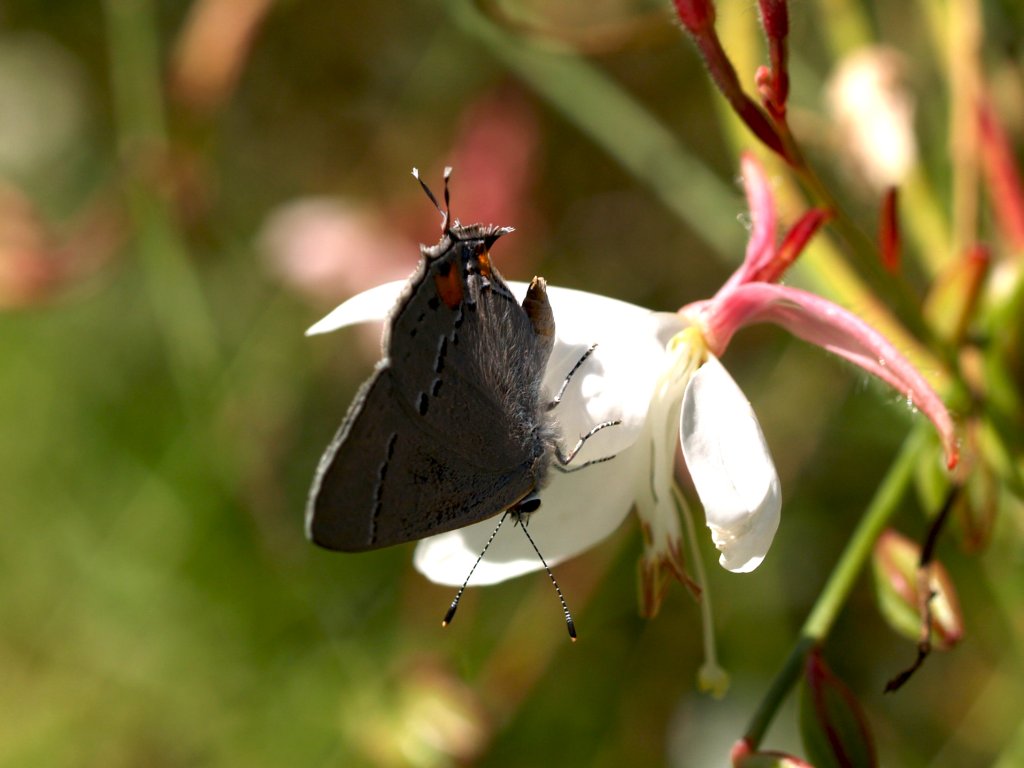
Patience rewards us with a rare treat. A Gray Hairstreak butterfly stops for a short rest.
Subscribe to:
Posts (Atom)


