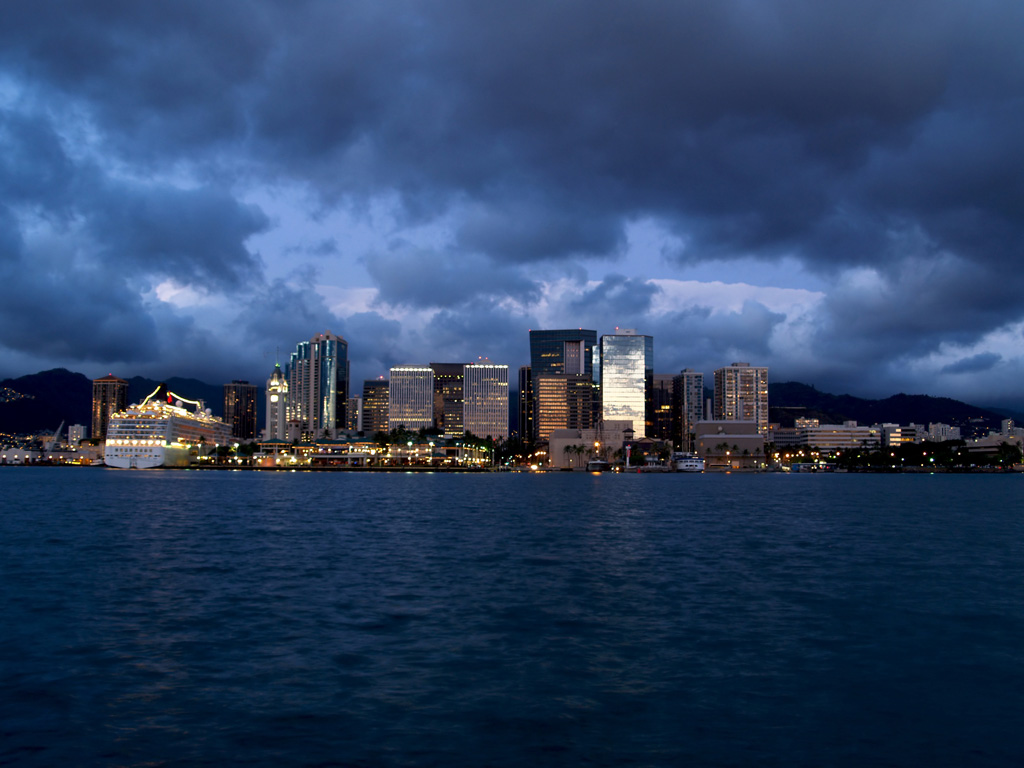
Punchbowl Crater is an extinct volcano located in Honolulu, Hawaii. It is the location of the National Memorial Cemetery of the Pacific. The crater was formed around 100,000 years ago during the Honolulu period of secondary volcanic activity. A crater resulted from the ejection of hot lava through cracks in the old coral reefs which, at the time, extended to the foot of the Koolau Mountain Range. Although there are various translations of the Punchbowl's Hawaiian name, "Puowaina," the most common is "Hill of Sacrifice." This translation closely relates to the history of the crater.

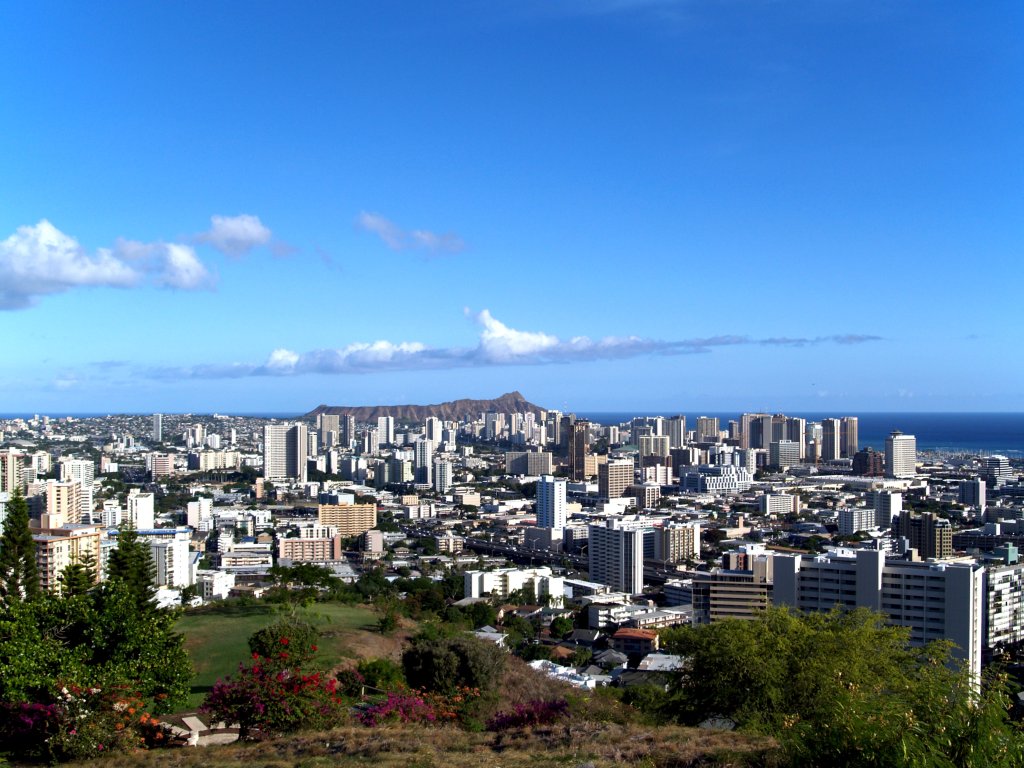
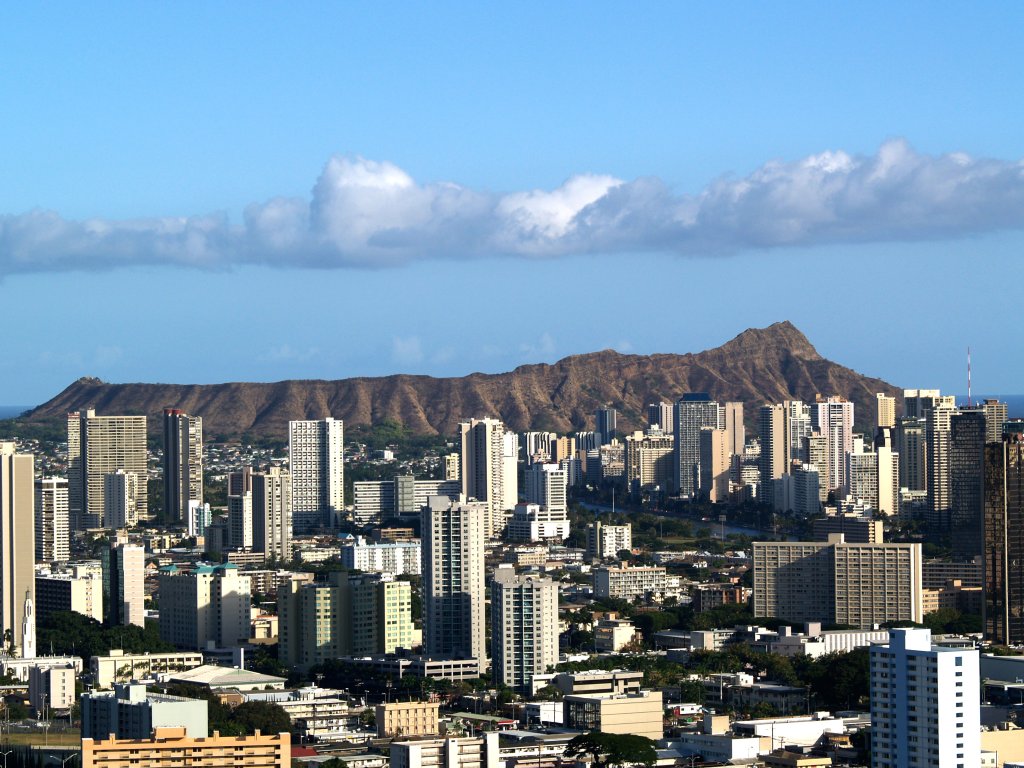
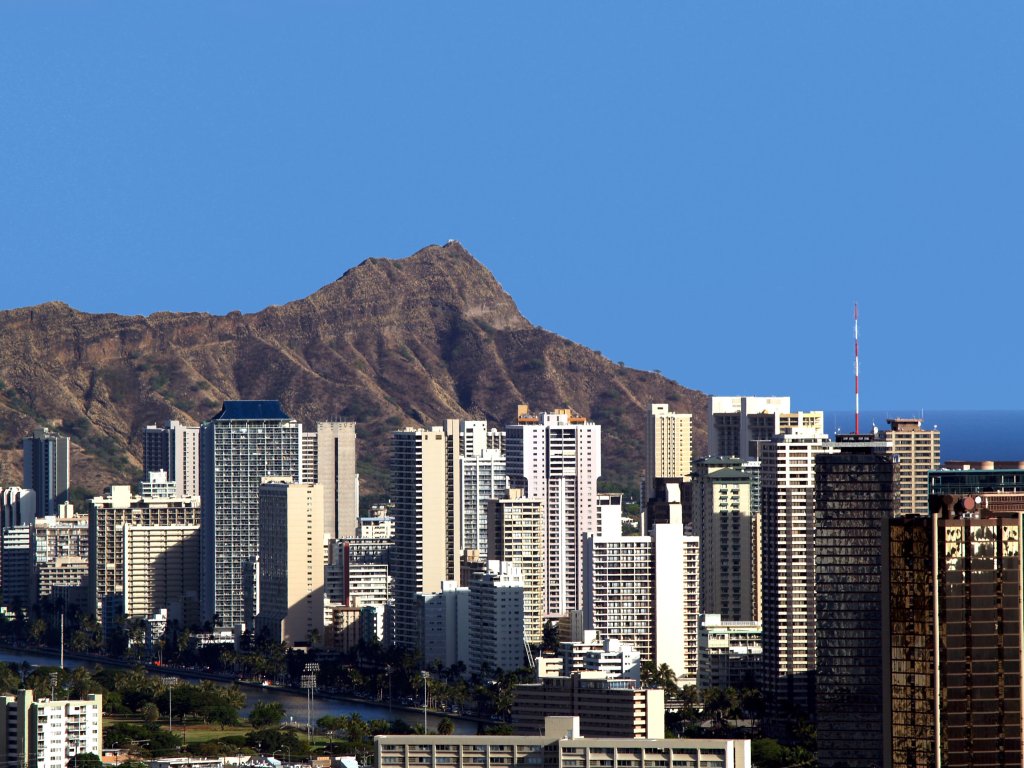
When walking up at the top of the crater, you are first greeted with a view of Diamond Head.

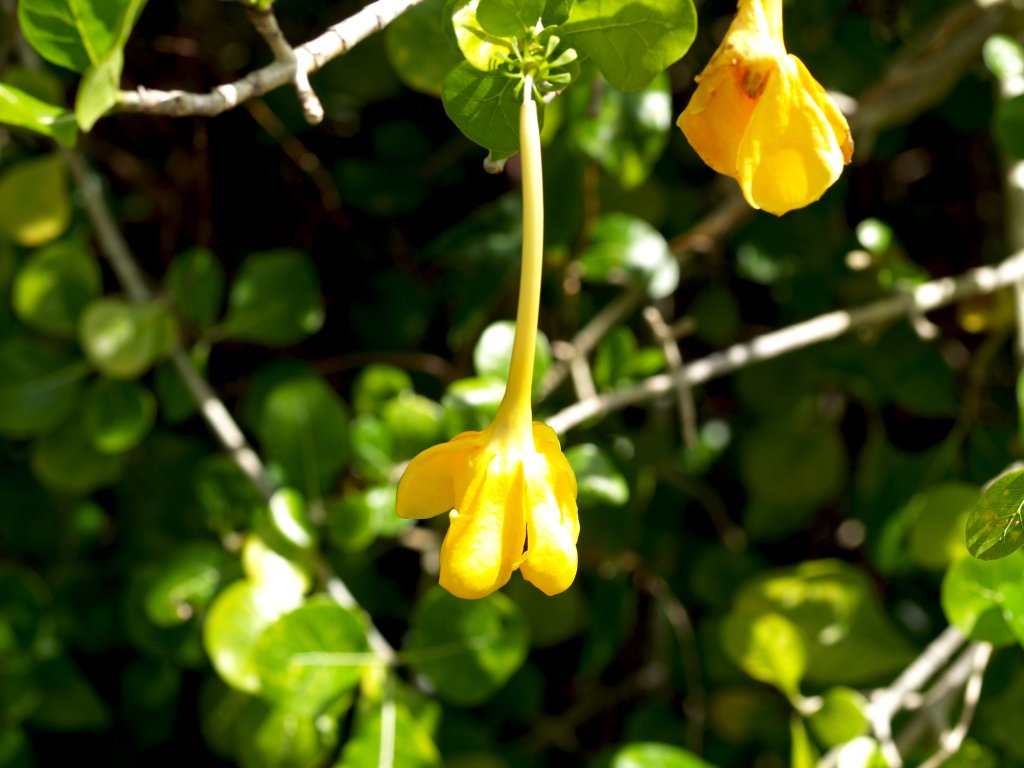
A flower lit by the low angle sun.

Hidden between the plants, a bug munching on the local flowers.


A Mountain Dove. These doves are commonly seen with Zebra Doves.

A Red-Vented Bulbul. These appeared on Oahu 50 years ago when it was reported as an un-authorized cage release. One problem with the bulbul is that it likes to eat everything from insects and lizards to many fruits and orchid buds, making it an agricultural pest.

A Red-Crested Cardinal. These beautifully colored birds were brought from South America around the 1930s.

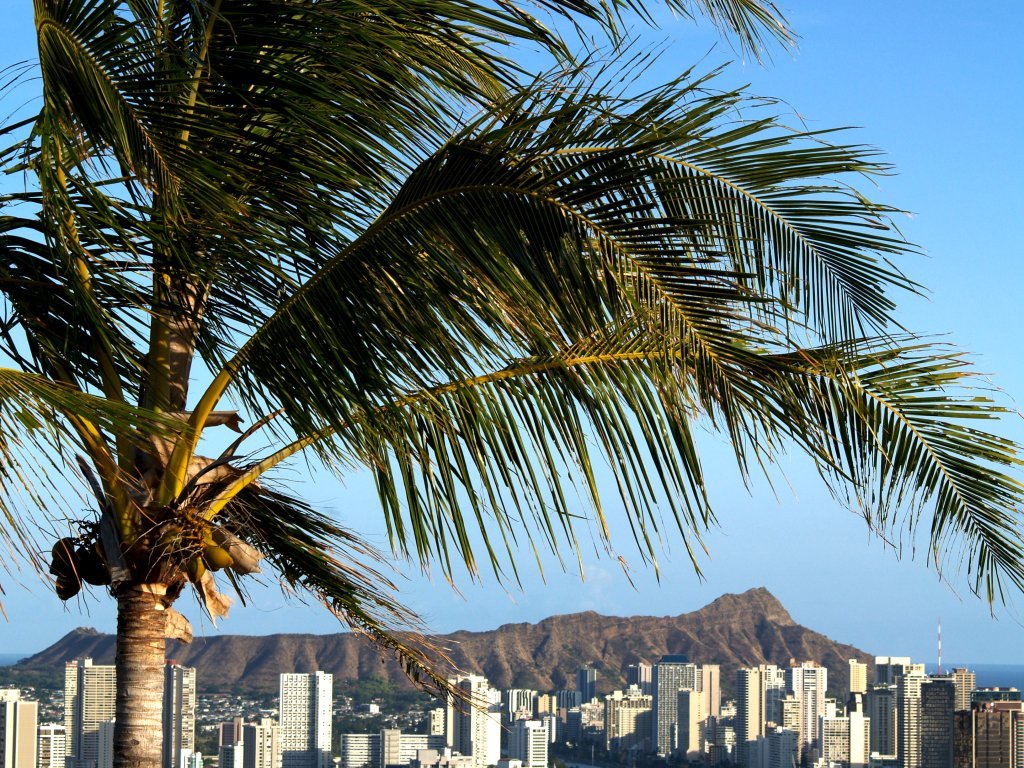 When walking up at the top of the crater, you are first greeted with a view of Diamond Head.
 A flower lit by the low angle sun.
 Hidden between the plants, a bug munching on the local flowers.
 A Mountain Dove. These doves are commonly seen with Zebra Doves.
 A Red-Vented Bulbul. These appeared on Oahu 50 years ago when it was reported as an un-authorized cage release. One problem with the bulbul is that it likes to eat everything from insects and lizards to many fruits and orchid buds, making it an agricultural pest.
 A Red-Crested Cardinal. These beautifully colored birds were brought from South America around the 1930s.